Advanced players don’t attack every ball.
Build better speed-up decisions with contact height, opponent position, and recovery in mind.
SmartSelect Labs is reader-supported. If you buy through a link on this page we may earn a small commission, at no extra cost to you. How we make money.
Choose the ball before the shot
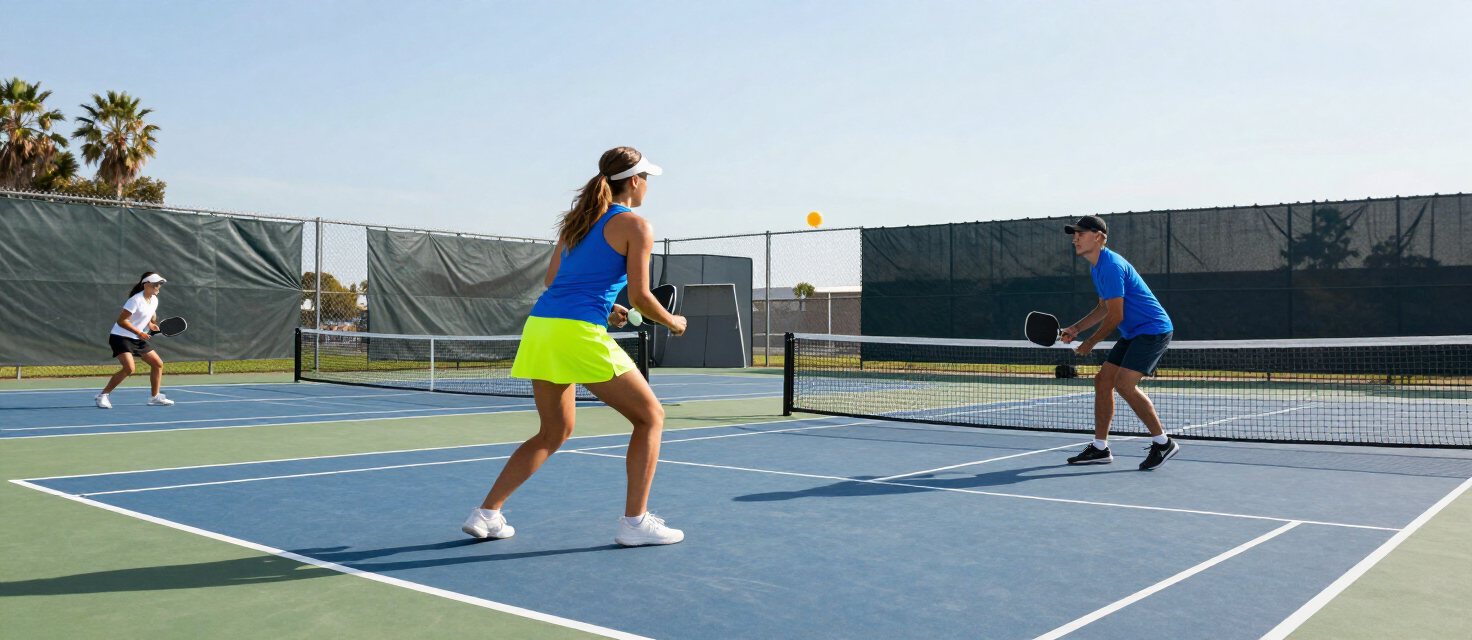
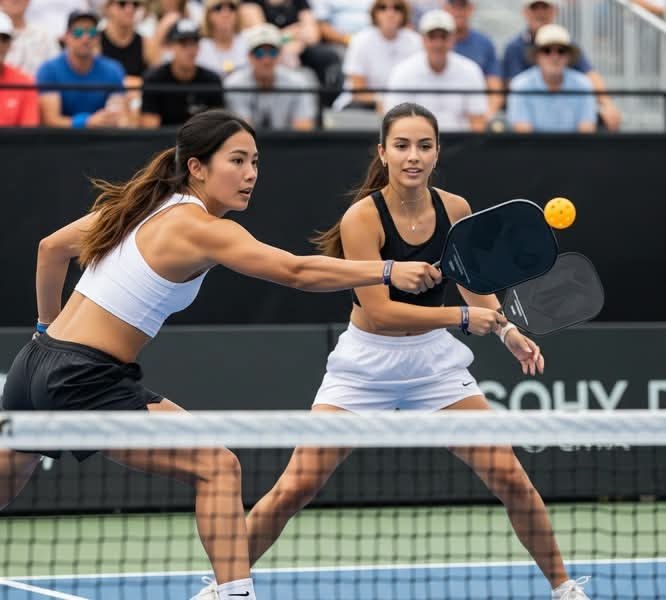
An attacking opportunity depends on more than a ball being close to the net. Consider contact height, your balance, the opponent’s paddle position, and the angle available. A ball below net height may require lifting, which increases risk. Advanced play often means declining a tempting attack until the conditions are better, not producing more spectacular winners.
Plan for the counter
A speed-up does not end the rally automatically. Expect the opponent to block or counter and recover the paddle immediately. Avoid a large follow-through that leaves your body open. If you attack while leaning outside your base, your next contact may be weak even if the first shot stays in. Keep attacks controlled enough to support the next exchange.
Use constrained points
Play kitchen-line points where attacks are allowed only from a balanced position. After each attack, name the cue that made it sensible: a high ball, a displaced opponent, or a clear lane. If no cue existed, replay the rally softly. This exercise builds decision quality without requiring every rally to turn into a hands battle.
Review patterns, not highlights
With permission, record a practice game and note what happens in the two shots after each speed-up. Count immediate errors and weak recoveries alongside winners. A small sample can suggest a habit, but it is not a reliable overall performance rating. Professional players benefit from individual coaching and opponent-specific analysis; this guide is a practice framework rather than a substitute for that work.

SmartSelect Labs is a small, family-run blog written for people who play at the park, the rec center or the community court. We explain the game in plain English and recommend gear by saying who it is for and why.