A reliable serve beats a spectacular one.
Build a repeatable serve with simple targets, a relaxed grip, and a ten-minute practice routine.
SmartSelect Labs is reader-supported. If you buy through a link on this page we may earn a small commission, at no extra cost to you. How we make money.
Choose a simple motion
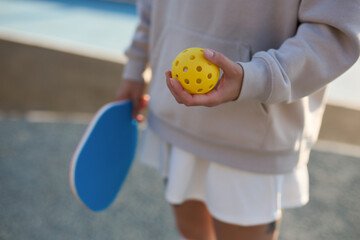
A good beginner serve starts the point without drama. For a volley serve, use an underhand motion and review the current rules on contact height and paddle position. A drop serve is another option: release the ball without propelling it and strike after the bounce. Its legal requirements differ from a volley serve. Pick one method and practice it consistently before adding spin or pace.
Give yourself a big target
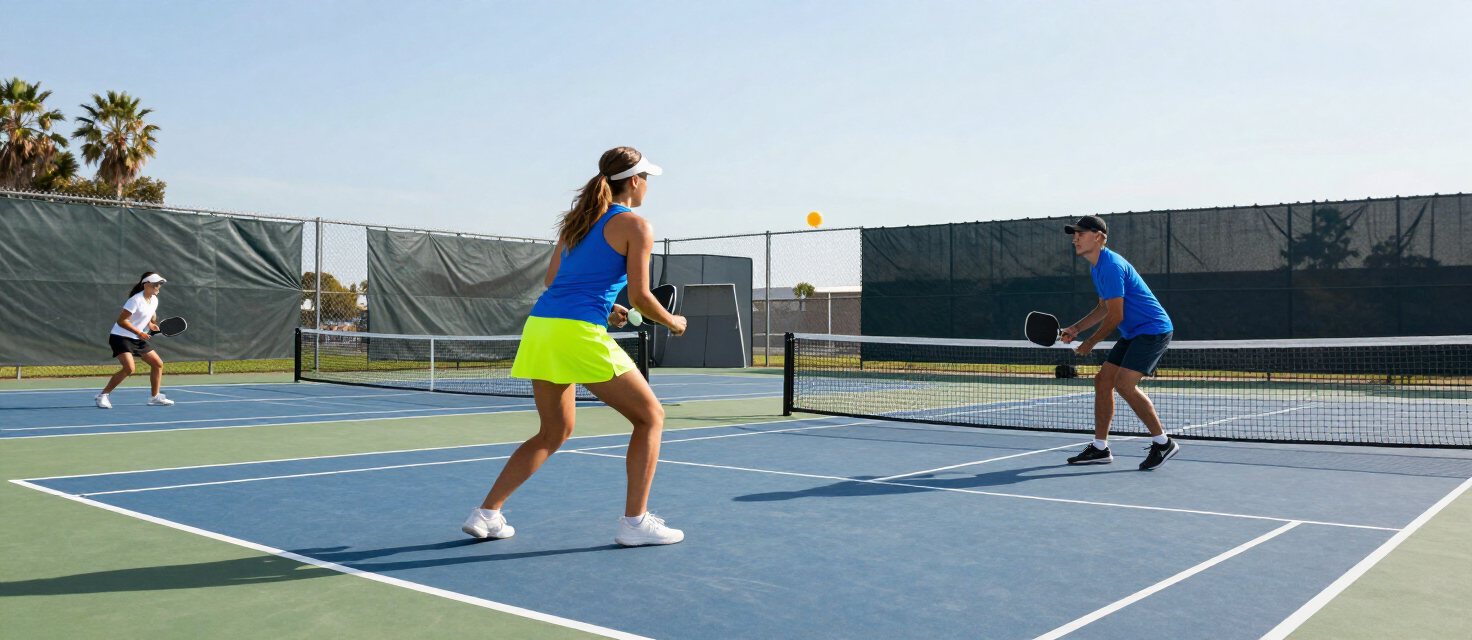
Aim toward the middle of the diagonal service court, comfortably beyond the kitchen. A deep serve can keep the returner back, but depth is not useful if half your serves go long. Begin at moderate pace and add depth gradually. Imagine a generous rectangle rather than a tiny corner. Your target should reward repeatability, not demand perfect contact.
Practice in small sets
Hit ten serves to one side, then ten to the other. Count legal serves first and target hits second. If fewer than eight serves in a set land legally, slow down and simplify your swing. Reset your feet, breathe, and make the same preparation before each attempt. This drill needs one paddle, a few balls, and a spare court; it does not require a bucket of expensive training equipment.
Carry it into a game
Before serving, call the score, check that the receiver is ready, and focus on one cue such as a loose grip. Do not rebuild your technique after every miss. Notice whether errors are mostly short, wide, or long and change one variable at the next practice. These targets are practice suggestions, not universal performance standards. A coach can help if pain or an awkward motion persists.

SmartSelect Labs is a small, family-run blog written for people who play at the park, the rec center or the community court. We explain the game in plain English and recommend gear by saying who it is for and why.