The Smart Pickleball Shopping Guide: What's Worth Your Money?
A money-first pickleball shopping guide for rec players over 50: spend on shoes and sun protection, buy a $60 to $120 paddle, and skip pro gear for now.
SmartSelect Labs is reader-supported. If you buy through a link on this page we may earn a small commission, at no extra cost to you. How we make money.
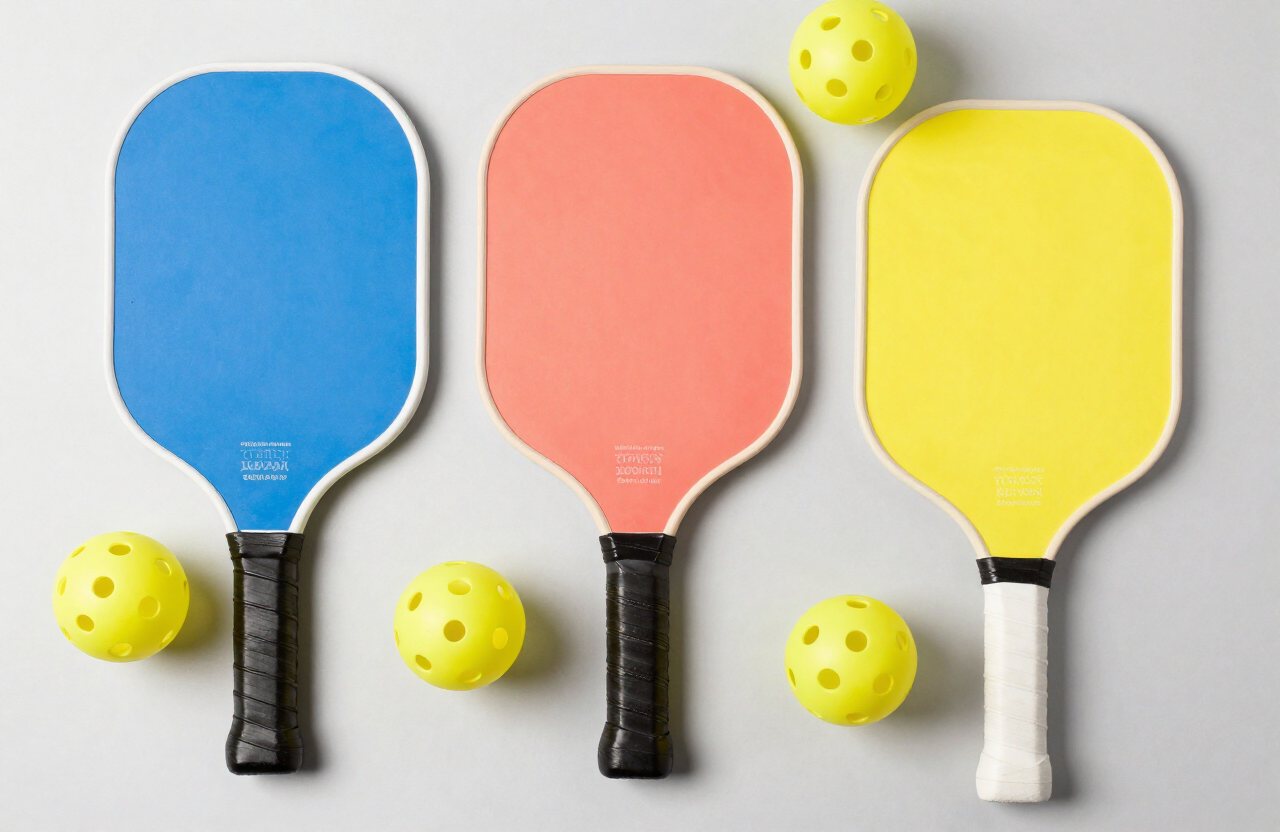
New to the game, or is your gear drawer a mess after one season? This pickleball shopping guide shows you where your money matters. The short answer: spend on court shoes and sun protection first. Put $60 to $120 into a 16 mm paddle. Wait on everything else until you know you need it. The gear that keeps you playing is cheap. The gear that costs the most does the least for a rec player.
ASICS Gel-Rocket court shoes
A flat, grippy court sole that stops ankle rolls, at the low end of court-shoe prices
Check price at ASICSSelkirk SLK Halo (Control)
16 mm, raw carbon face, 4.25" grip; the one most rec players over 50 should buy
Check price at SelkirkEltaMD UV Clear (SPF 46)
Broad spectrum, light on the face, no white cast; wear it every session
Check price at EltaMDOwala FreeSip (32 oz)
Insulated steel with a lid you can sip or swig from; it survives a court bag
Check price at OwalaWhere your money matters
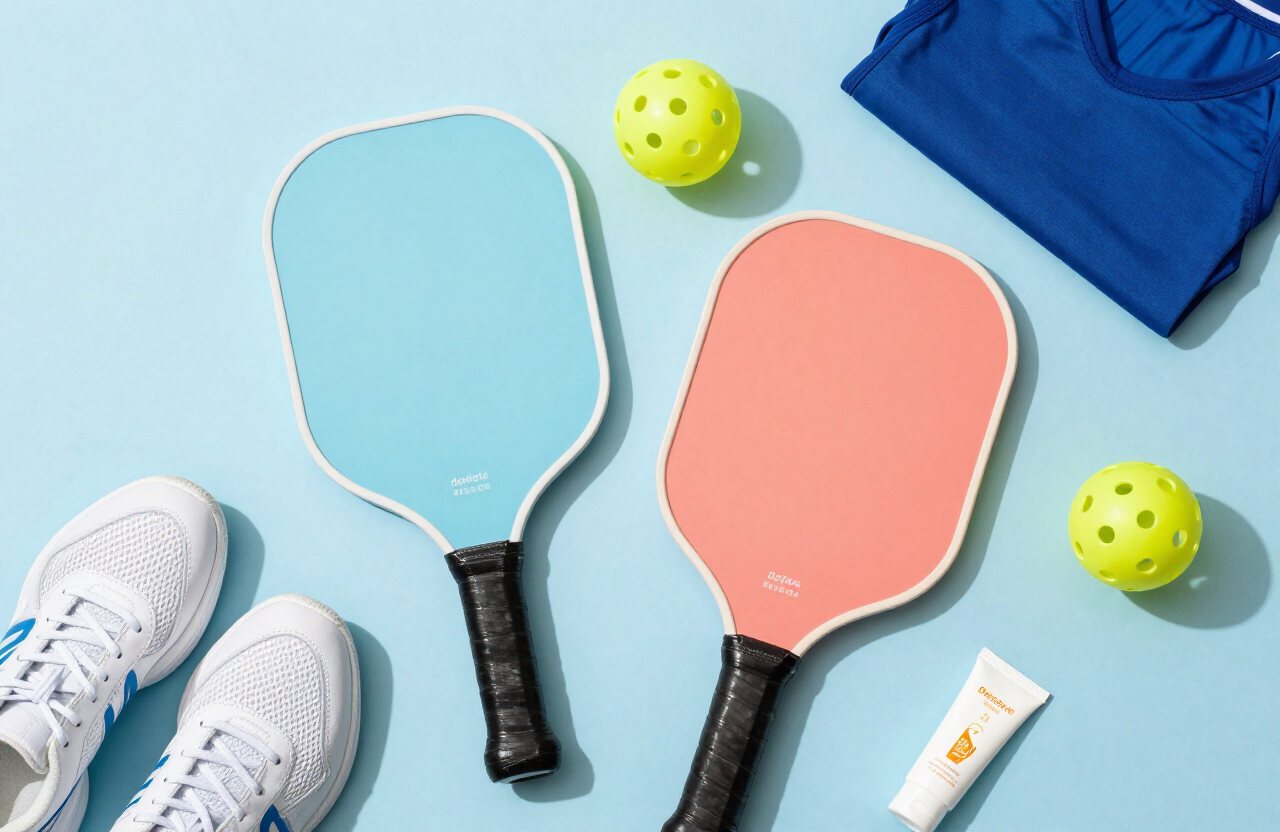
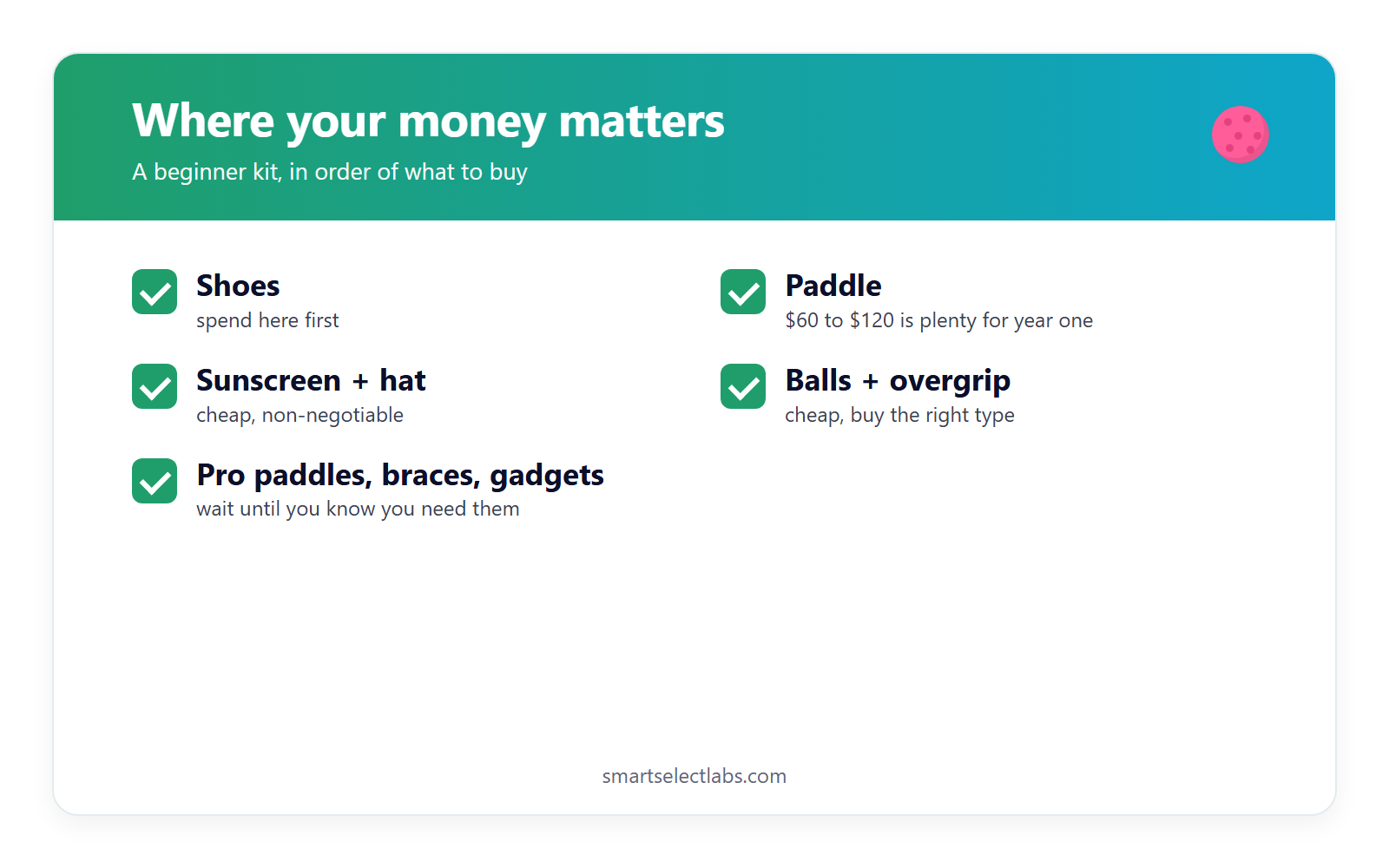
Rec players lose more to injuries than to bad gear. A rolled ankle costs you a month of play, and a bad sunburn costs you a week. The two cheapest things here, court shoes and sunscreen, prevent both. That is why they sit at the top of this pickleball shopping guide.
The paddle comes third, not first. A $100 control paddle and a $280 pro paddle hit the same dink. The pro paddle adds power and spin that most rec players cannot use yet. It also adds weight that a 50-plus elbow does not want.
After that, the list gets cheap and quick. Balls, an overgrip and a bottle you already own cover the first month. Clothing, a bag and accessories can follow once you know you will keep playing.
Where to spend, at a glance
| Category | Verdict | Budget band | Our pick | Amazon |
|---|---|---|---|---|
| Court shoes | Worth it, spend here first | $70 to $130 | ASICS Gel-Rocket line | Check price |
| Paddle | Worth it, at the right price | $60 to $120 | Selkirk SLK Halo (Control) | Check price |
| Sunscreen and hat | Non-negotiable | $20 to $55 | EltaMD UV Clear (SPF 46) | Check price |
| Outdoor balls | Cheap, buy the right type | under $40 a dozen | Franklin X-40 | Check price |
| Water bottle | Buy once | $25 to $45 | Owala FreeSip (32 oz) | Check price |
| Bag | Nice, not urgent | $30 to $80 | A sling with a fence hook | Check price |
The pickleball shopping guide, category by category
Each category below gets a verdict and a budget band. The verdicts are worth it, not yet or skip. The bands are rough, because prices move every week.
Paddle: worth it at $60 to $120
Verdict: worth it, at the right price. A 16 mm control paddle with a 4.25” grip, under 8.0 oz, is plenty for year one. The Selkirk SLK Halo (Control) is our pick, and the entry paddles from JOOLA and Selkirk work under $100. Our Selkirk vs JOOLA vs CRBN comparison walks through the specs.
Skip for now: the $250 pro paddles. They reward a fast, clean swing and punish a late one. Buy one in year two if your game asks for it.
Buy it if
- you want a paddle that keeps the ball in and is easy on the elbow
- you plan to play at least once a week for a season
Pass if
- you already own a paddle that feels fine (play it until it goes soft)
- you want the cheapest option (a $50 entry paddle is fine for month one)
The Selkirk button in the picks box above shows the full SLK range.
Shoes: the one place not to save
Verdict: worth it, spend here first. Running shoes have a tall, soft heel built for straight lines. Pickleball is sideways. Side-to-side pushes on a tall heel are how ankles roll and knees twist. A court shoe has a flat, grippy sole and support on the outside edge. That is the injury you prevent for about $70 to $130.
The ASICS Gel-Rocket line is the cheapest real court shoe from a big brand. The Gel-Resolution line is the cushioned step up. New Balance offers wide widths, and On and Nike cover the lighter, faster end. Our women’s shoe picks and men’s shoe picks go deeper.
Try shoes on late in the day with the socks you play in. Replace them when the sole goes smooth or the heel leans.
Buy it if
- you play on outdoor courts, where the surface grabs and twists
- your knees or ankles complain after a session in running shoes
Pass if
- you already own a tennis or volleyball shoe (that works)
- you play only indoors on a wood floor (any flat-soled court shoe will do)
Check the width before you order. Many models come in D and 2E.
Balls: cheap, so buy the right type
Verdict: worth it, and cheap. Outdoor balls are harder, with 40 small holes, so they fly straight in wind. Indoor balls are softer, with 26 larger holes. Most parks use an outdoor ball like the Franklin X-40, and most rec centers use an indoor one. Ask what your group plays and buy that. Balls crack in the cold, so a six-pack beats a three-pack. For tournaments, USA Pickleball keeps a list of approved balls.
Clothing: wear what you own first
Verdict: not yet. Any wicking tee and shorts you already own will do for the first month. Cotton is the one thing to avoid, because a wet cotton shirt gets heavy and cold. When you are ready, buy one good skort or one pair of lined shorts with a pocket for a ball. See the women’s outfit guide and men’s outfit guide.
Bag: nice, not urgent
Verdict: not yet. A tote or an old backpack works until you know you will keep playing. When you buy one, look for a sling with a fence hook, a shoe pocket and room for a bottle. Our bag checklist lists the 15 things that belong in it.
Water bottle: buy once
Verdict: worth it, once. A two-hour morning session on a hot court needs more water than a small plastic bottle holds. Insulated steel in the 24 to 40 oz range stays cold, and a leak-proof lid keeps your bag dry. The Owala FreeSip is our pick for a bag. Our water bottle guide covers YETI, Stanley and Hydro Flask too.
Buy it if
- you play outdoors in the heat and your drink goes warm by game two
- you want one bottle that lives in the bag
Pass if
- you already own an insulated bottle (it is fine)
- you play one hour indoors (a cheap bottle works)
The 32 oz size fits most bag pockets. The 40 oz does not.
Sun protection: non-negotiable
Verdict: worth it, the cheapest insurance you will buy. The American Academy of Dermatology says SPF 30 or higher, broad spectrum, water resistant. Reapply every two hours. A two-hour open play session is exactly one reapply. Add a hat with a brim, sunglasses and sun sleeves. Your arms and neck stop paying for every morning on court.
Skin over 50 is thinner and carries more sun history, so this matters more, not less. Our pickleball skincare guide covers mineral versus chemical sunscreen and what to do after you play.
Buy it if
- you play outdoors at any time of day
- you have fair skin, a history of sunburn or a dermatologist who nags you
Pass if
- you play only indoors (a daily SPF moisturizer still helps)
- you already have a sunscreen you like and wear (keep using it)
The EltaMD button above goes to the brand store, which often runs its own deals.
Accessories: overgrip yes, lead tape no, braces only with a reason
Overgrip: yes. It costs about as much as a coffee, soaks up sweat and adds a little cushion for sore hands. Replace it when it goes shiny.
Lead tape: no. It adds weight to the paddle head. More weight is the opposite of what an elbow over 50 wants.
Braces and sleeves: only with a reason. A knee sleeve or elbow strap helps when a physical therapist or doctor says it will. Without that, a brace hides a problem instead of fixing it.
A ball pick-up tube: yes, if bending hurts. Our accessories list covers ten small things that fix big annoyances.
Three sample kits
The three kits below turn this pickleball shopping guide into numbers. Prices are rough, and sales move them.
First month, under $150
- An entry paddle from the JOOLA Essentials line or Selkirk’s starter SLK paddles, about $50.
- Court shoes from the ASICS Gel-Rocket line, often about $60 on sale.
- A three-pack of outdoor balls, about $10.
- The sunscreen, cap and bottle you already own.
Play with this for a month. If you are still showing up, move to the next kit.
Playing twice a week, about $300
- Selkirk SLK Halo (Control), about $100 to $130.
- Court shoes with real cushion, about $90.
- A six-pack of balls and two overgrips, about $25.
- EltaMD UV Clear and a brimmed hat, about $55.
- Owala FreeSip 32 oz, about $30.
This is the kit most readers settle into. Nothing in it needs replacing for a year except the balls and the overgrip.
All-in, about $600
- A raw carbon control paddle, about $200 (the CRBN 2X or the Selkirk Luxx Control Air).
- A cushioned court shoe like the ASICS Gel-Resolution line, about $130.
- A sling bag with a fence hook, about $60.
- Two outfits with pockets, about $100.
- Sunscreen, hat, sun sleeves and sunglasses, about $70.
- Bottle, balls and overgrips, about $50.
Buy this kit over three months, not in one trip. Shoes and sun protection go first, the paddle second, the bag and outfits last.
Mistakes people make
Buying the paddle first. The paddle is the fun purchase, so it happens first. The shoes are the purchase that keeps you on the court.
Playing in running shoes “for now.” Rolled ankles tend to happen in week one, before anyone has bought court shoes.
Buying a pro paddle because a pro uses it. Pros swing faster than we do. A control paddle at a third of the price fits a rec game better.
Skipping sunscreen because the session is short. Two hours on a reflective court at nine in the morning is a lot of sun, and it adds up over a season.
How we chose, and how this site makes money
We did not test every product here ourselves. The picks rest on the brands’ spec pages, the fit ranges we recommend across the site and what rec players over 50 report after a season. Mom adds her own on-court notes and photos as she uses them.
One honest sentence about money: when you click a store button and buy something, this site may earn a small commission, and the price you pay does not change.
Common questions
Frequently asked questions
How much does it cost to start playing pickleball?
Under $150 if you already own a wicking shirt, a cap and a water bottle. An entry paddle, court shoes on sale and a few outdoor balls cover the first month. Many parks and rec centers also lend paddles for open play, so you can try before you buy.
Is an expensive paddle worth it for a beginner?
No. A $60 to $120 paddle with a 16 mm core and a 4.25" grip hits every shot a beginner needs. The $250 pro paddles add power and spin that take a year to use, and weight that an elbow does not need. Spend the difference on shoes.
Can I play pickleball in running shoes?
You can, but it is the most common way new players get hurt. Running shoes have a tall, soft heel for forward motion, and pickleball moves sideways. A court shoe with a flat sole and outside-edge support costs about the same and prevents rolled ankles.
What should I buy first, a paddle or shoes?
Shoes. Borrow a paddle for the first few sessions if you must, but wear court shoes from day one. Once you know you will keep playing, buy a 16 mm control paddle in the $60 to $120 range and a good sunscreen.
Do I need a pickleball bag?
Not yet. A tote or an old backpack carries a paddle, balls, a bottle and sunscreen just fine. Buy a sling bag with a fence hook and a shoe pocket once you play twice a week and want your keys where you can find them.
The bottom line
Brand new to the game? Start with our complete beginner’s guide for the rules and the first lessons. Then read the five habits that fix most beginner mistakes before your first open play. Both are free, which is the best price in this guide.

SmartSelect Labs is a small, family-run blog written for people who play at the park, the rec center or the community court. We explain the game in plain English and recommend gear by saying who it is for and why.